




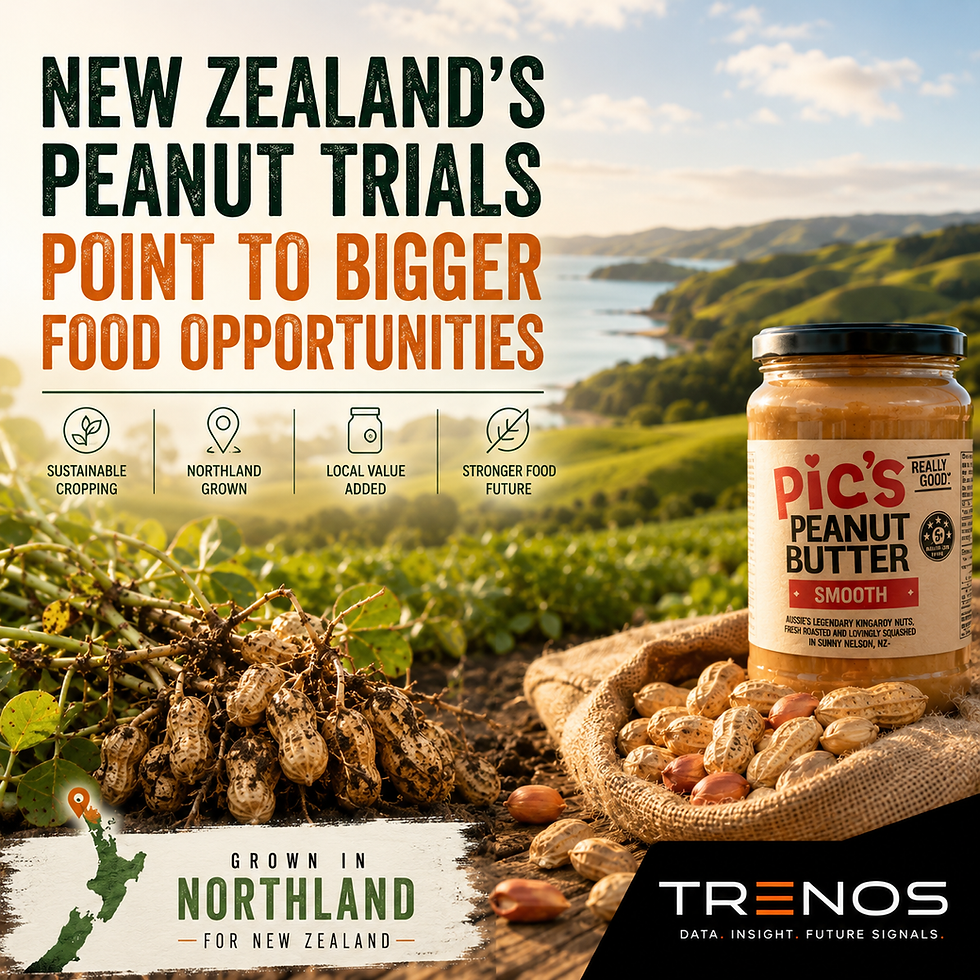

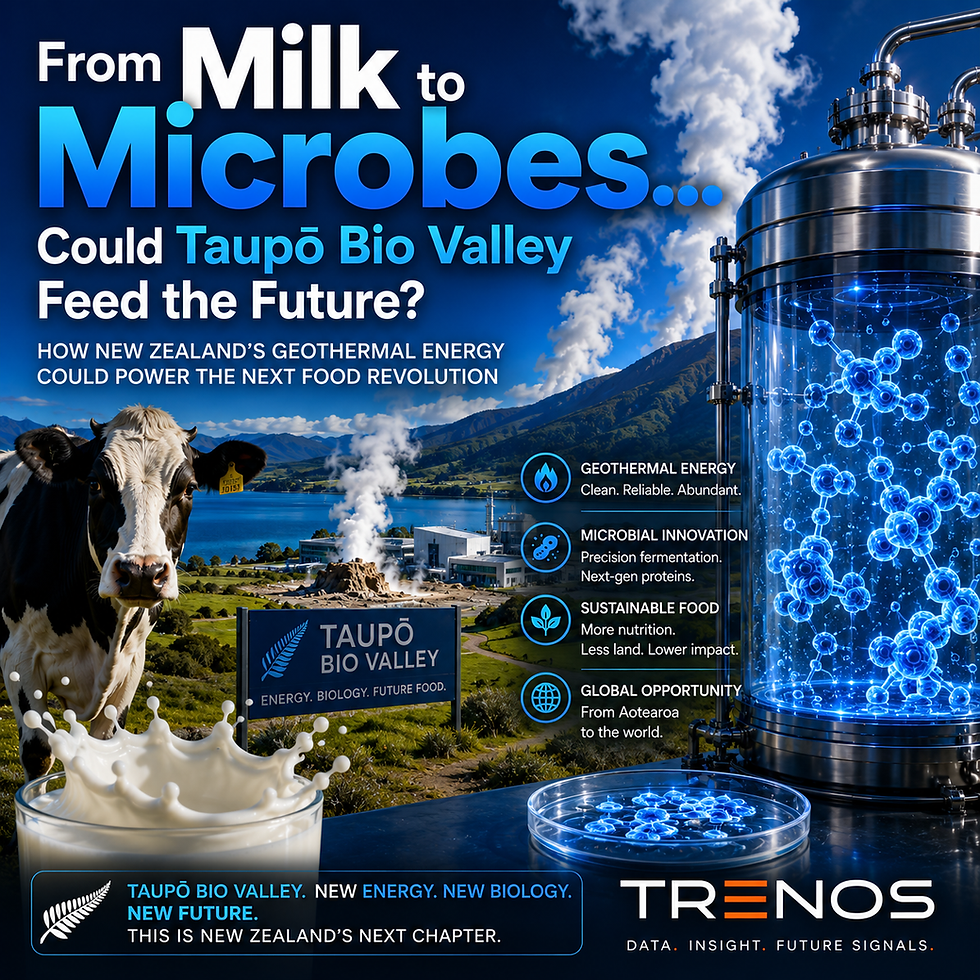


Five Foods Australia and New Zealand Could Create for China’s Next Decade
These five foods as concepts are speculative, but each has roots in science or products already emerging here.
16 minutes ago3 min read


Hackers Turn Up EU Supermarket Freezers, Wasting Tens of Millions of Euros’ Worth of Food
Hundreds of stores hit, temperatures reaching 50°C and food dumped overnight. Could Australia and New Zealand’s supermarket freezers be sitting ducks?
20 hours ago2 min read


Forget More Protein, Consumers Want Better Protein in 2027
Innova Market Insights' Top 10 Food Trends for 2027 suggests a significant change in consumer expectations. Nutritional quality, digestibility, metabolic health, longevity and fermentation are increasingly shaping what people want from their food.
And there's a subtle message for food manufacturers: simply adding another five grams of protein may no longer be enough.
5 days ago3 min read


Poland Puts Food Power Back Into People’s Hands - Could ANZ Follow?
Nearly 26,000 producers have embraced a simpler route from farm to consumer, true 'food power'. Australia and New Zealand could learn from it.
While Australia and New Zealand grapple with grocery bills and supermarket dominance, Poland has been building another route to the dinner table. Its agricultural retail trade scheme allows eligible farmers to turn their own ingredients into bread, preserves, juices and other foods, then sell directly under simplified rules.
5 days ago4 min read


Eat the Invader As Tiny New Zealand Community Turns Marine Pest Into Food
A tiny community on New Zealand's South Island is turning one of its ecological problems into something altogether more useful - food. From marine pest to pantry!!
Oct 63 min read


SIAL Sounds the Alarm on Protein Washing
SIAL Paris is putting the protein boom under scrutiny ahead of its 17–21 October food fair. Its published trend analysis warns of “protein washing” - marketing that elevates protein content without a corresponding nutritional benefit. The message to manufacturers is clear, protein quantity alone cannot establish a product’s value; quality, digestibility and the overall food matter too.
Oct 22 min read


Grandma's Potions Are Making a Return - from Plant Extracts to Tree Spirits
For some of us, the scent of lemon verbena brings back a grandma's garden and her potions. Today, that familiar plant sits within a global botanical ingredients business, while orchard woods are becoming the basis of premium non-alcoholic spirits. Two recent developments suggest the garden and forest still have plenty to offer modern food and wellbeing businesses.
Oct 22 min read


Beyond Meat is Moving Beyond the Meat Debate
Beyond Meat is broadening its offer from meat alternatives into everyday plant nutrition. Its brand-new "Phytosphere" portfolio brings together protein powders, savoury bars, beverages and meal products through a dedicated direct-to-consumer website. The range combines plant protein with nutrients including fibre, positioning Beyond across more eating occasions.
Sep 303 min read
Comments